
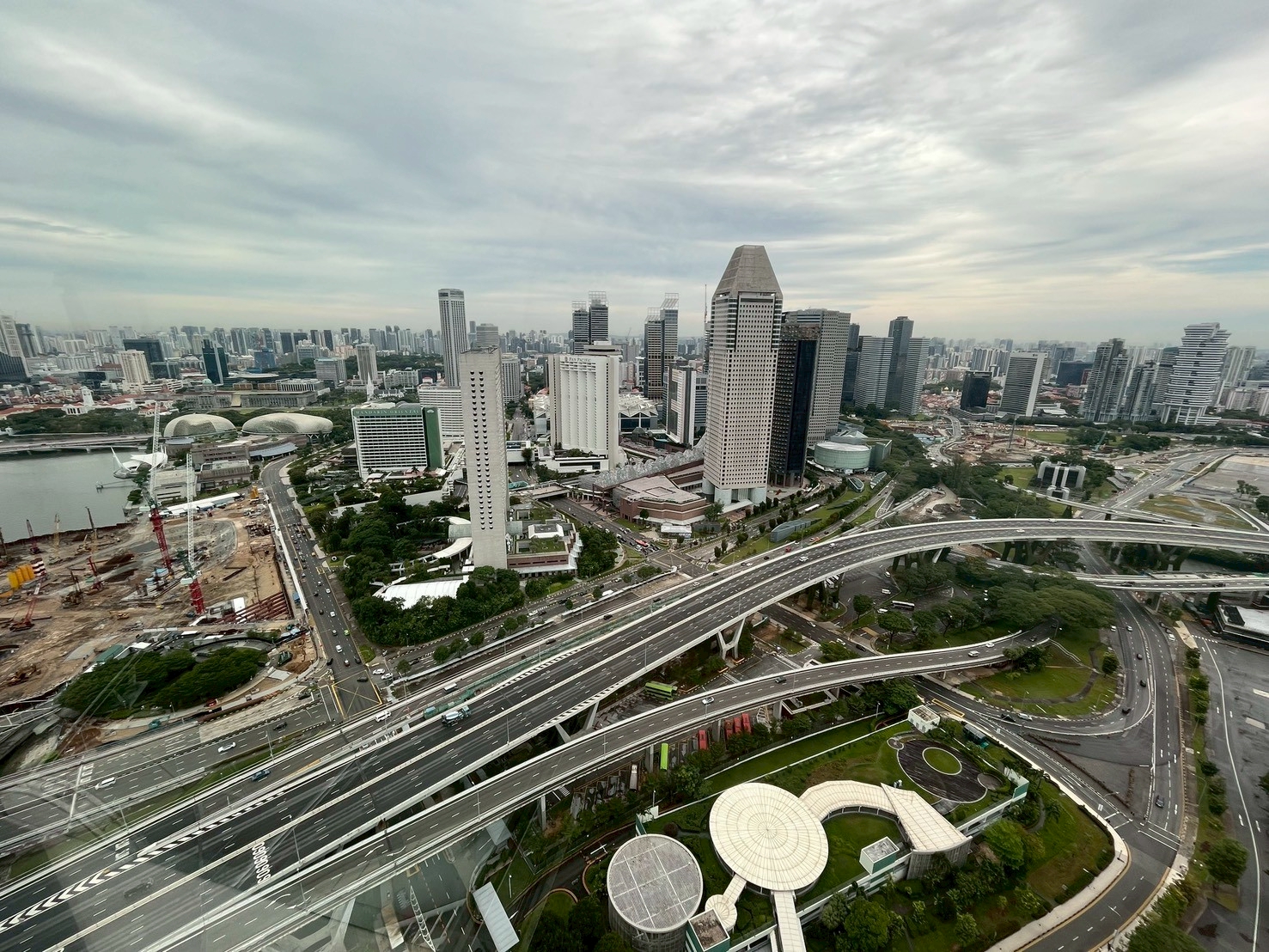


When people think of Singapore, they may picture a modern city filled with skyscrapers, busy roads, and a vibrant waterfront.
But Singapore is more than just a global business hub.
Located at the crossroads of major international trade routes, Singapore has long played an important role as one of Asia’s leading logistics and trading hubs.
One of the most significant developments shaping Singapore’s logistics landscape is Tuas Port, a next-generation container terminal in western Singapore.
In August 2026, Tuas Port reached a cumulative throughput of 25 million TEUs since its operations began in September 2022. Fourteen berths are currently in operation, with the number expected to increase to 18 by 2027.
Tuas Port is ultimately being developed with a vision of becoming the world’s largest fully automated container terminal, with a planned annual handling capacity of up to 65 million TEUs.
Beyond the Port: Singapore’s Growing Supply Chain Network
Modern logistics is no longer simply about moving cargo from one port to another.
Efficient logistics depends on the seamless connection of many different functions, including ports, warehouses, trucking, air freight, customs clearance, and last-mile delivery.
Singapore is continuing to develop its logistics infrastructure with this broader perspective in mind.
Facilities such as the PSA Supply Chain Hub, located near Tuas Port, are being developed to integrate cargo handling, storage, distribution, and other supply chain functions.
In addition, major logistics companies are expanding their operations in Singapore, further strengthening the country’s position as a strategic distribution hub for the Asia-Pacific region.
Singapore’s logistics industry is therefore evolving from a traditional port-centered model into a more integrated supply chain ecosystem.
Connecting Japan and Singapore Through Logistics
These developments are particularly relevant to companies involved in exporting Japanese products to Singapore.
Every day, a wide variety of Japanese products are transported to Singapore, including:
- Japanese sake and other alcoholic beverages
- Fresh produce
- Frozen foods
- Seafood
- Processed foods
- Pet food
- Japanese consumer products
Food and temperature-sensitive cargo require particular attention.
Unlike general cargo, these shipments may require careful consideration of temperature control, packaging, transportation time, customs procedures, import regulations, and local delivery conditions.
For this reason, logistics is not simply about moving a shipment from Japan to Singapore.
It is about understanding the characteristics of each product and determining how, when, and under what conditions it should be transported.
At NPK LOGISTICS, we aim to provide logistics solutions that go beyond simply arranging transportation.
From Japanese food and beverages to temperature-sensitive and specialized cargo, we work closely with our customers to find the most suitable transportation method for each shipment.
As Singapore continues to strengthen its position as a global logistics hub, the connection between Japan and Singapore will become increasingly important.
From Japan to Singapore, we connect products, businesses, and people through logistics.
NPK LOGISTICS will continue to adapt to the changing logistics environment and support our customers in expanding their businesses overseas.